


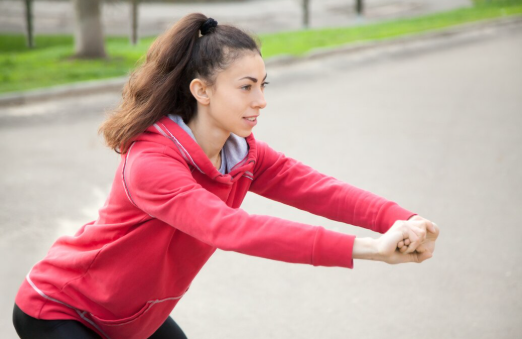
Do you ever feel like your body runs on yesterday’s oil? That first step out of bed can feel like a stiff, creaky journey back to mobility. That morning stiffness is one of the most common complaints, and it’s often the first signal that our joints are aging faster than they should be.
At LivelyJoints.com, we believe that aging doesn’t have to mean slowing down. In fact, some of the most powerful changes you can make to your joint health happen in the very first hour of your day. Think of your joints—your knees, hips, shoulders, and spine—like finely tuned machinery. After hours of inactivity during sleep, the lubricating fluid (called synovial fluid) that cushions these joints becomes thick and sluggish. This is what causes that morning stiffness.
The good news? It doesn’t take hours of intense exercise to fix this. It takes intention.
By adopting five simple, science-backed morning rituals, you can gently wake up your body’s mechanics, thin out that synovial fluid, nourish your cartilage, and set a powerful anti-inflammatory tone for the entire day. These rituals are designed to be low-impact, time-efficient, and highly effective for anyone looking to increase their mobility and make their joints feel, quite literally, 20 years younger.
We will dive deep into each ritual, explaining the science behind why it works, how to perform it correctly, and how to integrate it seamlessly into your daily life, no matter where you live in the USA, UK, or Europe.
Understanding the Morning Stiffness Problem
Before we start moving, it’s helpful to understand the root cause of morning stiffness. It’s primarily due to a lack of movement, but two specific factors are at play:
- Synovial Fluid Stagnation: Synovial fluid is a thick, egg-white-like substance that fills the joint capsule. It acts as both a lubricant and a shock absorber. When you sleep, this fluid isn’t circulated, causing it to become thick and viscous. Gentle movement is the pump that re-liquefies the fluid and allows it to spread nourishment and cushion the joint surfaces.
- Tissue Dehydration: The cartilage in your joints is 70-80% water. During sleep, your body uses and redistributes fluids, and if you haven’t been adequately hydrated, the joint tissues can dry out slightly, leading to friction and stiffness when you wake up.
Our five rituals directly target both of these issues, creating immediate relief and long-term resilience.
Ritual 1: The ‘Joint-Jiggle’ Wakeup (5 Minutes, In Bed)
You should never jump straight out of bed. The first ritual is designed to be performed while you are still lying down. It’s a gentle, controlled series of movements that safely starts the fluid circulation in your largest and most stressed joints.
The Science Behind the Jiggle
This ritual bypasses the sudden shock of bearing your body weight on cold joints. By moving the joints through their full range of motion without gravity’s pressure, you force the synovial fluid to thin out and start circulating, preparing the joint for the day’s load. It’s like warming up a car engine before driving it.
How to Perform the Joint-Jiggle Wakeup
A. Ankle Pumps and Circles (1 Minute)
- While lying on your back, point and flex your toes up toward your head and down toward the footboard (Pumps). Repeat 10 times. This warms up the ankle and calf.
- Rotate your ankles slowly in large circles, 10 times clockwise and 10 times counterclockwise. This targets the joint capsule and surrounding ligaments.
B. Knee Slides (1 Minute)
- Keep one leg straight and slowly slide the heel of the other leg up toward your buttocks, keeping the heel on the mattress. Do not lift the knee.
- Slide the heel back down until the leg is straight. Repeat this slow, controlled movement 10 times per leg. This is a gentle, non-weight-bearing way to flex the knee joint.
C. Hip Rolls (2 Minutes)
- Bend both knees so your feet are flat on the bed. Keep your shoulders firmly planted.
- Gently let both knees fall slowly to the right side, just until you feel a comfortable stretch in your lower back and hip.
- Bring them back to center, and then let them fall slowly to the left side. Repeat 5 times per side. This simple move lubricates the crucial hip joint and releases tightness in the lower back, which is often related to hip stiffness.
D. Wrist and Finger Flexes (1 Minute)
- Lie on your back, holding your arms straight up toward the ceiling.
- Make a tight fist, and then stretch your fingers out as wide as possible. Repeat 10 times.
- Rotate your wrists in circles, 10 times in each direction. This is essential for preventing stiffness in the hands and wrists, a common symptom of arthritis.
Goal: To initiate fluid movement and signaling to the nervous system that it is safe to move, all before your feet hit the floor.
Ritual 2: The Hydration-Ignition Protocol (7 Minutes, Kitchen)
After you’ve performed the Joint-Jiggle in bed, the next most crucial step is to rehydrate and provide your body with the raw materials needed to fight inflammation overnight.
The Science Behind Hydration and Joints
As mentioned, cartilage is largely water. During the night, we lose water through breathing and sweating. Starting your day with a large glass of water is the fastest way to re-plump your spinal discs and your cartilage. Furthermore, the combination of warm water and a specific anti-inflammatory ingredient offers a powerful dose of systemic healing.
How to Perform the Hydration-Ignition Protocol
A. Immediate Water Intake (1 Minute)
As soon as you get to the kitchen, drink a large glass of lukewarm water (around or 500 ml). Lukewarm water is easier for the body to absorb quickly than ice-cold water.
B. The Magnesium/Turmeric Boost (6 Minutes Preparation)
Do not reach for coffee yet. Instead, prepare your “Joint Cocktail” before any caffeine.
- Option 1: Magnesium Glycinate: Mix a small scoop of magnesium glycinate powder into your water (follow dosage instructions). Magnesium is a vital mineral that helps relax muscles surrounding stiff joints. It also plays a key role in Vitamin D absorption and bone density. Taking it first thing in the morning can boost energy and mobility.
- Option 2: Warm Turmeric Tincture: If you prefer food-based supplements, mix a teaspoon of ground turmeric (Curcuma longa) with a dash of black pepper (which helps absorption) into a small amount of warm water. Curcumin, the active ingredient in turmeric, is one of nature’s most potent natural anti-inflammatories, shown to be effective in multiple studies at reducing joint pain.
Note on Caffeine: Wait at least 20 minutes after waking up to consume caffeine. Allowing your natural cortisol levels to peak first reduces the shock and jitteriness that comes from drinking coffee too early, which can sometimes lead to muscle tension that exacerbates joint stiffness.
Goal: To flood the body with hydration and deliver key anti-inflammatory compounds before the day’s stress sets in.
Ritual 3: Controlled Joint Traction (10 Minutes, Standing)
Once you’re mobile and hydrated, it’s time to gently decompress and lengthen your spine and major joints. This ritual uses gentle, controlled hanging and rocking motions to create space between the vertebrae and in the hip sockets, providing immediate relief from compression felt after hours of sleep.
The Science Behind Traction
Joint traction (pulling joints apart slightly) helps stretch the joint capsule, allowing maximum synovial fluid to flow in. For the spine, gentle traction can rehydrate the intervertebral discs. This is not about aggressive stretching, but slow, intentional decompression.
How to Perform Controlled Joint Traction
A. Doorway Hang (5 Minutes)
You don’t need expensive equipment for this. Find a solid doorframe or a sturdy railing.
- Grip: Place your hands on the sides of the doorframe, slightly above your head height.
- Lean Back: Take a small step back, keeping your feet planted, and gently lean your weight backward. Keep your arms straight.
- Decompress: Allow your body to sag slightly. You should feel a gentle, comfortable stretch in your shoulders and along your spine. If you feel any sharp pain, stop immediately.
- Hold: Hold this gentle traction for 30 seconds. Release for a moment, shake out your arms, and repeat the hang 5 times.
This ritual is particularly effective for releasing tension in the upper back and shoulders, common areas for pain caused by poor sleep posture.
B. Hip Figure-Four Rock (5 Minutes)
This is a standing modification of the seated Figure-Four stretch, designed to gently open the hip joint—the body’s largest and most crucial ball-and-socket joint.
- Set-up: Stand near a wall or chair for balance. Cross your right ankle over your left knee (making a ‘4’ shape).
- Gentle Rock: Instead of pushing into a deep stretch, gently rock your bent right knee up and down for 30 seconds. The movement should be small and controlled.
- Traction: After rocking, hold the stretch, and gently push your hips back as if you were sitting in a chair. Hold for 20 seconds.
- Repeat on the opposite leg.
Goal: To use slow, assisted movement to decompress the joints, providing a measurable feeling of ‘space’ and easing stiffness in the spine and hips.
Ritual 4: The Targeted Heat Therapy (15 Minutes, Pre-Activity)
While movement is the primary tool for reducing stiffness, targeted heat before activity provides a powerful secondary benefit, especially for those with chronic stiffness or arthritis.
The Science Behind Heat Therapy
Heat increases blood flow to a specific area. This enhanced circulation delivers oxygen and nutrients to the muscles and ligaments surrounding the joint, making them more pliable and less prone to strain when you start moving. Heat also helps dampen pain signals from the joint to the brain. Think of it as pre-stretching the tissues with temperature.
How to Perform Targeted Heat Therapy
A. The Quick Fix (3 Minutes)
If you are short on time, run a hot shower. Instead of standing fully in the stream, target the hot water on your most painful or stiff joints (knees, hands, lower back) for two to three minutes. The water pressure also provides a light, soothing massage.
B. The Deep Dive (15 Minutes)
For a more thorough approach, use a microwavable heating pad or a simple hot water bottle.
- Identify the Target: Focus on your stiffest joint (most commonly the knees or lower back).
- Application: Apply the heating pad to the area for 10 to 15 minutes while you read a book, check the news, or prepare your breakfast.
- Follow Up: Once the time is up, gently move the joint. You will find that the range of motion is immediately improved compared to before the heat application.
Important Note: Do not use heat if the joint is actively swollen or red (a sign of acute inflammation); this requires ice. Heat is for chronic stiffness and everyday aches.
Goal: To use warmth to increase blood flow and pliability in the soft tissues surrounding the joints, reducing the risk of strain during subsequent movement.
Ritual 5: The Stabilizing Power Walk (20 Minutes, Outdoors)
Once your joints are lubricated, hydrated, decompressed, and warmed up, it’s time for the final and most beneficial ritual: low-impact, rhythmic movement. This is where you fully activate the joint and build the protective muscles around it.
The Science Behind Rhythmic Movement
The most effective long-term defense against joint pain is the strength of the muscles that support the joints. Rhythmic, low-impact exercise, such as walking, cycling, or swimming, achieves two things:
- Cartilage Pumping: The cyclical compression and release of walking acts like a sponge, squeezing out old fluid and drawing in fresh, nutrient-rich synovial fluid. This is vital for cartilage health, as cartilage has no direct blood supply.
- Muscle Stabilization: A simple 20-minute walk engages the quadriceps, hamstrings, and glutes, which are the primary stabilizers for the knee and hip joints. Stronger muscles mean less stress is absorbed by the joint itself.
How to Perform the Stabilizing Power Walk
A. The Momentum Start
Your 20-minute ritual should start slow. The first five minutes should be a very gentle pace—a warm-up walk. Increase your speed for the middle ten minutes to a brisk pace where you can still talk but have to catch your breath slightly. Use the final five minutes to cool down and stretch lightly.
B. Focus on Glute Activation
When walking, consciously focus on engaging your gluteal muscles (your buttocks) with every step, rather than letting the movement come only from your knees. Weak glutes are a leading cause of knee and lower back pain. To activate them, imagine you are slightly squeezing a coin between your butt cheeks with each stride.
C. The Mindful Element
Use these 20 minutes as a time for mental clarity. Leave your phone notifications off. This is not only a physical routine but a mental one that reduces stress, a known contributor to inflammatory joint conditions. Getting natural sunlight first thing in the morning also regulates your circadian rhythm, which can improve sleep quality and reduce nighttime inflammation.
Goal: To strengthen the supporting muscles, pump nutrients into the cartilage, and reduce systemic stress through rhythmic, low-impact exercise.
Integrating the Rituals: Your 45-Minute Morning Plan
You now have five powerful tools. Here is how you can stack them into an effective, manageable routine:
| Ritual | Time Required | Location | Key Benefit |
|---|---|---|---|
| 1. The Joint-Jiggle Wakeup | 5 Minutes | In Bed | Lubricates joints; thins synovial fluid. |
| 2. The Hydration-Ignition Protocol | 7 Minutes | Kitchen | Rehydrates cartilage; delivers anti-inflammatories. |
| 3. Controlled Joint Traction | 10 Minutes | Standing/Doorway | Decompresses spine and hips; stretches joint capsule. |
| 4. Targeted Heat Therapy | 15 Minutes | Bathroom/Chair | Increases blood flow; makes tissues more pliable. |
| 5. The Stabilizing Power Walk | 20 Minutes | Outdoors | Builds supporting muscle strength; pumps cartilage. |
Total Time: 57 Minutes.
- The Flexible Approach: If you only have 30 minutes, skip the full 15 minutes of heat therapy (Ritual 4) and shorten the power walk (Ritual 5) to 15 minutes. The most essential steps are the Joint-Jiggle (1), Hydration (2), and the Power Walk (5).
Conclusion: The Momentum of Mobility
Making your joints feel 20 years younger isn’t about finding a magic pill; it’s about consistency. These five rituals harness the natural biology of your body, providing lubrication, nourishment, and strength where you need it most.
By dedicating less than an hour each morning to these simple, non-negotiable routines, you interrupt the cycle of stiffness and replace it with a cycle of mobility and strength. You will not only feel the difference in your knees and hips but in your overall energy and readiness to tackle the day.
Start today. Pick the Joint-Jiggle and the Hydration Protocol, and commit to them for one week. Once those become habits, layer in the other rituals. The cumulative effect of these small, early-morning actions will be the most impactful investment you make in your long-term joint health.
